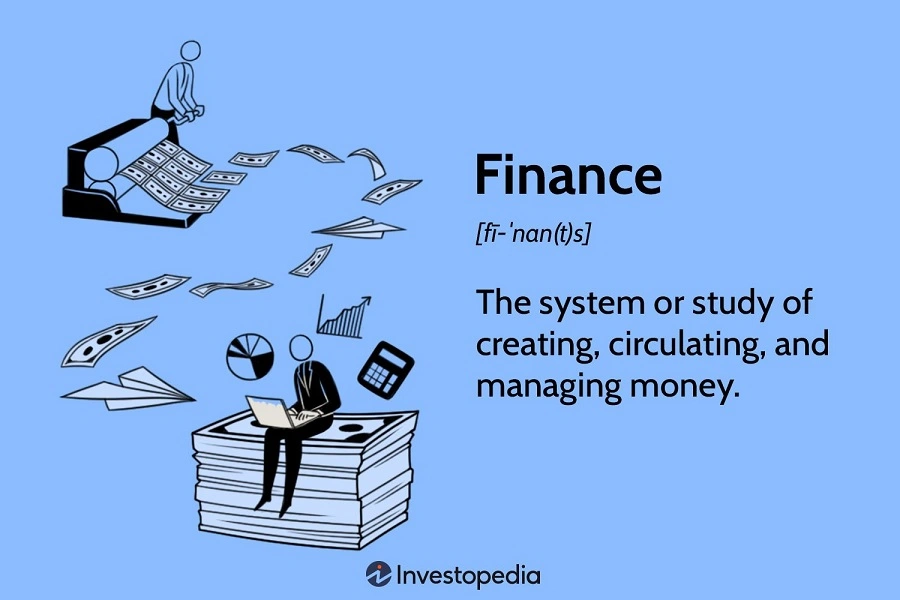

Finance is the process of managing cash, investments, property, liabilities, and economic sources to acquire non-public, commercial enterprise, or government dreams. It involves incomes, saving, spending, borrowing, investing, budgeting, and making plans for the future.
Whether you’re a man or woman saving for retirement, an agency raising funds for expansion, or a central authority managing public expenses, finance performs a vital position in making informed financial choices.
Understanding what is finance is important as it facilitates people to make smarter alternatives about money, lessen economic dangers, and build lengthy-term wealth.
Table of Contents
Finance at a Glance
| Aspect | Details |
|---|---|
| Definition | The management of money and financial resources |
| Main Purpose | Planning, investing, budgeting, and wealth creation |
| Major Types | Personal, Corporate, Public |
| Key Activities | Saving, Investing, Borrowing, Budgeting |
| Importance | Financial stability and economic growth |
| Risk Level | Depends on financial decisions and investments |
| Used By | Individuals, Businesses, Governments |
What Is Finance?
Finance refers to the technological know-how and exercise of coping with cash effectively. It includes every activity associated with obtaining funds, allocating assets, making an investment capital, managing dangers, and making plans for destiny economic wishes.
In simple words, finance is set making the exceptional use of having cash to gain favored financial goals.
For instance:
- A student saving for better education.
- A family growing a monthly household price range.
- A corporation raising capital to launch a brand new product.
- Authorities funding infrastructure tasks.
All these activities contain finance.
Why Is Finance Important?
Finance is one of the foundations of present day lifestyles and commercial enterprise. Without proper financial planning, individuals and corporations may additionally conflict to fulfill their dreams.
Key Benefits of Finance
- Helps control profits and costs successfully.
- Encourages saving and disciplined spending.
- Supports informed investment selections.
- Provides financial protection for the duration of emergencies.
- Enables companies to enlarge and innovate.
- Contributes to financial improvement.
- Improves long-term wealth creation.
Good economic control results in more stability and fewer money-associated problems.
Types of Finance
Finance is usually divided into 3 fundamental categories.
Personal Finance
Personal finance focuses on dealing with a man or woman’s or own family’s money.
It includes:
- Budgeting
- Saving
- Investing
- Insurance
- Retirement planning
- Tax planning
- Debt management
Example
A salaried worker making an investment as a part of their month-to-month profits in mutual finances even as preserving an emergency fund is practicing non-public finance.
Corporate Finance
Corporate finance deals with the monetary activities of corporations and agencies.
Its number one goal is to maximise shareholder fee whilst maintaining financial balance.
Key sports encompass:
- Capital budgeting
- Business growth
- Investment choices
- Risk control
- Financial reporting
- Working capital management
Example
A manufacturing organization borrowing finances to build a brand new factory is the usage of corporate finance.
Public Finance
Public finance focuses on the monetary management of governments.
It consists of:
- Tax series
- Government expenditure
- Public budgeting
- Infrastructure investment
- Economic improvement packages
Governments use finance to improve healthcare, education, transportation, and public welfare.
Types of Finance Comparison
| Type | Managed By | Purpose |
|---|---|---|
| Personal Finance | Individuals & Families | Wealth management |
| Corporate Finance | Businesses | Profitability & growth |
| Public Finance | Governments | Public services & development |
Key Components of Finance
Understanding finance requires understanding its vital factors.
Income
Income refers to the cash earned through:
- Salary
- Business
- Freelancing
- Rent
- Investments
Higher profits gives greater monetary flexibility.
Expenses
Expenses encompass all cash spent on each day residing and duties.
Examples include:
- Food
- Housing
- Transportation
- Healthcare
- Education
- Entertainment
Tracking prices saves you from overspending.
Savings
Savings are price ranges set apart for destiny use or emergencies.
Experts typically endorse retaining an emergency fund that can cowl several months of important residing prices, relying on man or woman situations.
Investments
Investments assist grow wealth over the years.
Common investment options consist of:
- Stocks
- Mutual Funds
- Bonds
- Gold
- Real Estate
- Exchange-Traded Funds (ETFs)
Every investment includes a few stages of hazard, so expertise in your financial dreams and chance tolerance is critical.
Budgeting
A price range is a monetary plan that helps manage spending and attain dreams.
Benefits include:
- Improved monetary subject
- Reduced useless costs
- Better savings
- Lower debt
Financial Planning Process
A strong monetary plan generally follows those steps.
Step 1: Set Financial Goals
Examples include:
- Buying a residence
- Starting a enterprise
- Funding training
- Retirement planning
Step 2: Analyze Income and Expenses
Understanding coins goes with the flow enables identifying areas for development.
Step 3: Create a Budget
Allocate profits in the direction of:
- Essential fees
- Savings
- Investments
- Emergency finances
Step 4: Invest Wisely
Choose investments based totally on:
- Risk tolerance
- Time horizon
- Financial objectives
Diversification can help lessen funding chances, even though it cannot dispose of losses.
Step 5: Review Regularly
Financial plans have to be reviewed periodically because income, costs, and life desires trade over time.
Importance of Financial Management
Financial control ensures that cash is used correctly.
Benefits
- Better selection-making
- Improved profitability
- Reduced financial dangers
- Business sustainability
- Long-term wealth advent
- Efficient useful resource allocation
Poor economic control frequently results in cash drift problems and useless debt.
Finance in Everyday Life
Finance influences nearly every every day selection.
Examples consist of:
| Situation | Financial Decision |
|---|---|
| Buying a Car | Loan vs Cash Payment |
| Home Purchase | Mortgage Planning |
| Education | Education Loan or Savings |
| Retirement | Pension & Investments |
| Medical Emergency | Emergency Fund & Insurance |
These examples show why monetary literacy is treasured for anyone.
Career Opportunities in Finance
Finance offers diverse career paths across industries.
Popular careers include:
- Financial Analyst
- Investment Banker
- Accountant
- Chartered Accountant (CA)
- Financial Planner
- Risk Manager
- Tax Consultant
- Portfolio Manager
- Auditor
- Credit Analyst
- Treasury Manager
Professionals in finance paintings in banks, funding companies, coverage corporations, multinational companies, fintech groups, and government groups.
Essential Financial Skills
Successful financial management calls for numerous important talents.
These consist of:
- Budgeting
- Analytical questioning
- Investment expertise
- Risk evaluation
- Decision-making
- Communication
- Problem-fixing
- Financial forecasting
Developing these abilities can enhance each private and professional monetary result.
Common Financial Mistakes to Avoid
Many human beings conflict financially because of avoidable mistakes.
Some of the maximum commonplace encompass:
- Not creating a price range
- Ignoring emergency financial savings
- Taking on excessive debt
- Investing without research
- Overspending on non-crucial gadgets
- Failing to review economic goals frequently
Avoiding those behaviors can make long-term monetary fitness.
Future of Finance
The finance industry keeps evolving with technology.
Key trends shaping finance in 2026 encompass:
- Digital banking
- Artificial Intelligence (AI)
- Fintech innovation
- Blockchain technology
- Mobile fee systems
- Personalized financial making plans equipment
- Data-driven investment strategies
These tendencies are making financial offerings extra handy and green for customers and agencies.
Summary
Finance is the system of coping with cash, investments, assets, and financial assets to acquire non-public, enterprise, or public targets. It covers sports such as budgeting, saving, investing, borrowing, and financial planning. The 3 primary branches personal finance, corporate finance, and public finance play essential roles in helping financial boom and economic balance. By know-how the standards of finance and training sound economic control, individuals and corporations could make knowledgeable selections, lessen dangers, and build lengthy-time period economic fulfillment.
See the more FAQS
1. What is finance in simple words?
Finance is the management of cash, consisting of incomes, saving, spending, borrowing, investing, and making plans for future economic goals.
2. What are the three foremost sorts of finance?
The 3 predominant kinds are non-public finance, company finance, and public finance. Each makes a speciality of coping with money for people, agencies, and governments, respectively.
3. Why is finance crucial?
Finance facilitates human beings and corporations’ price range successfully, save for destiny, invest wisely, manipulate risks, and attain lengthy-time economic stability.
4. What is the distinction between finance and accounting?
Finance focuses on making plans, investing, and managing money for destiny growth, at the same time as accounting information, summarizes, and reports monetary transactions which have already come about.
5. What are the principal functions of finance?
The number one capabilities of finance consist of budgeting, monetary making plans, funding management, elevating capital, coping with risks, allocating sources, and tracking cash float.